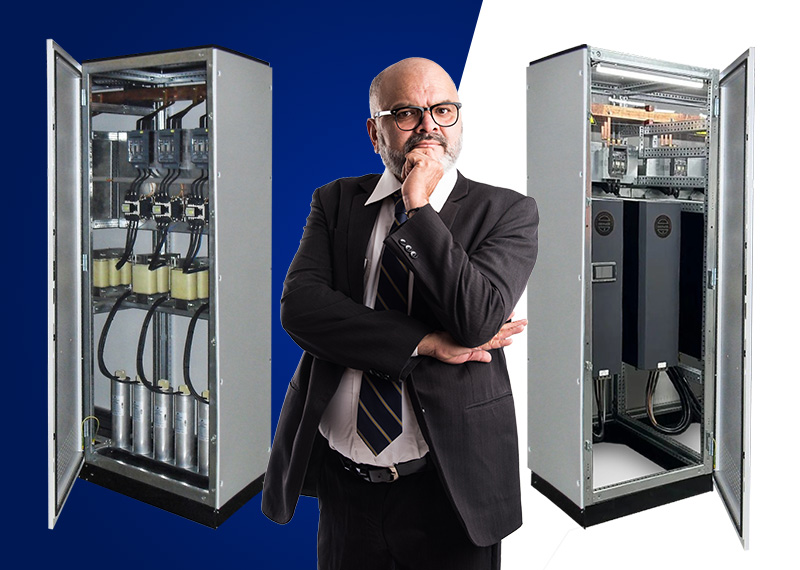
- Stability in Power Factor Correction: How to Manage the Demanding Loads of Heavy Industry?
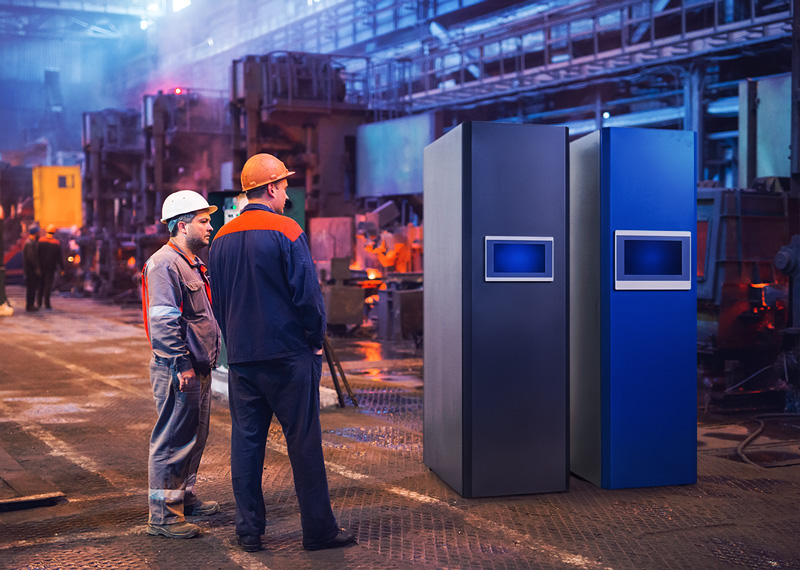
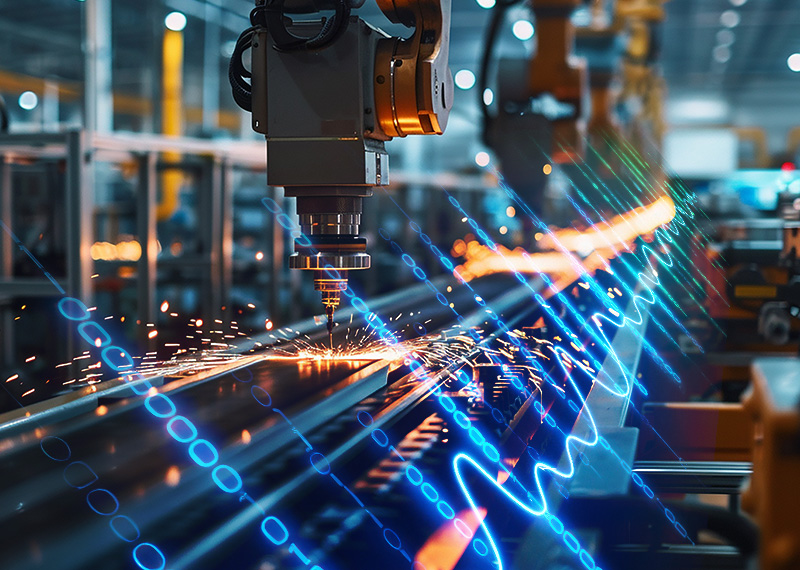
When we hear the term “heavy industry” in the industrial sector, what typically comes to mind are massive machines and high-tonnage production.
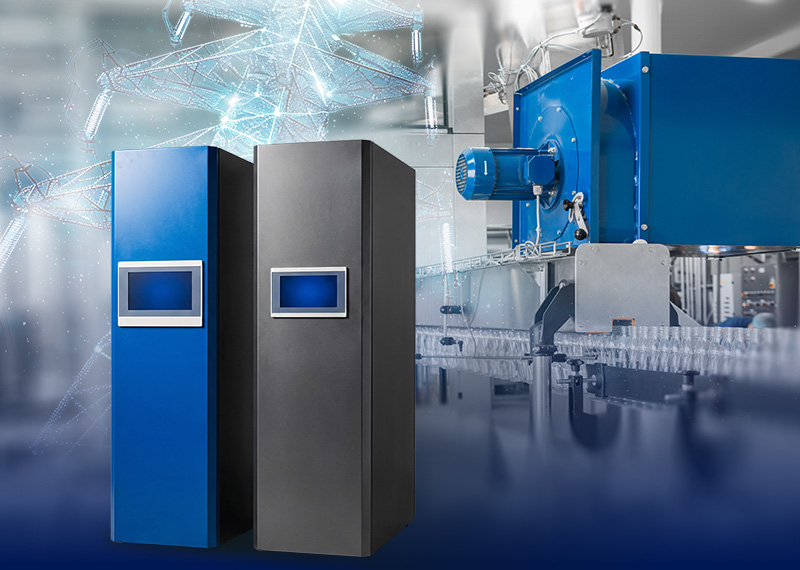
- Energy 4.0: Why Have Traditional Power Factor Correction Systems Reached the End of Their Lifespan?
With the advent of Industry 4.0, whose foundations were laid in 2011, the transformation taking place in our manufacturing sectors continues to spread rapidly.
- Why Are Reactive Power Charges Imposed? The 7 Most Common Mistakes Businesses Make
The most tangible indication that reactive power management (compensation) is not being carried out effectively can be seen as a reactive power charge on your business’s electricity bill.
- What Is Resonance in Power Factor Correction? A Guide to Symptoms, Measurement Methods, and Risk Management
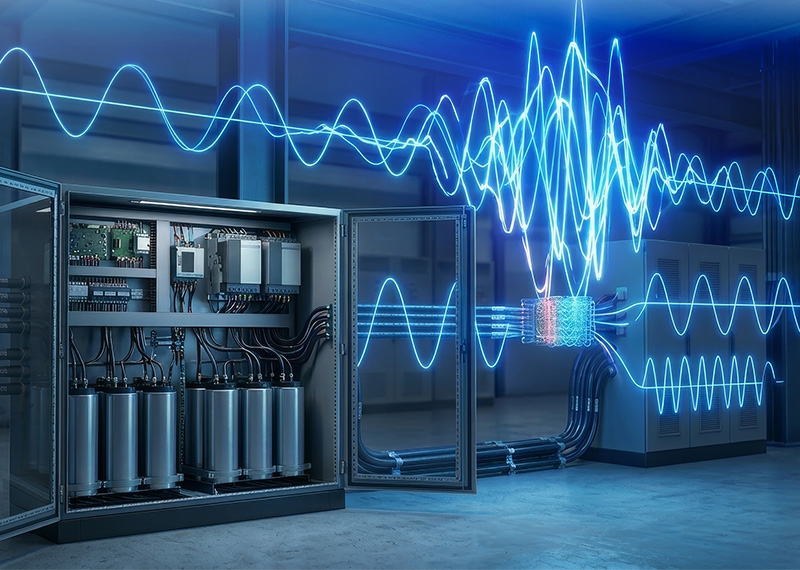
In electrical systems where certain conditions are met, the phenomenon where currents and voltages can rise to values significantly higher than expected at certain frequencies is referred to as resonance.
- Why Do Panels Overheat in Factories? 6 Critical Reasons from an Energy Quality Perspective
Electrical panels in production facilities, which are the lifeblood of industry, are extremely critical for the continuity of operations.
- What is a Static Var Generator (SVG)? The Difference from Classic Compensation
Reactive Power Management is a very important task that must be performed for facilities. In some facilities, this situation becomes one that requires constant monitoring:
- A Local and Unique Choice in Power Electronics: aHa Teknoloji
We are sharing the February interview of our aHa Teknoloji Founding Partner Elvan Aygün Anbar with ST Endüstri Otomasyon magazine with our valued readers.
- What Should Be Considered in Compensation Solutions?
In electrical infrastructures, compensation is often seen as a solution to “avoid reactive energy penalties.
- Electric Power Quality: The Smoke of Modern Industry
Electric power has become an indispensable part of today's modern industrial world. Today, electrical energy has moved beyond being a secondary energy source and has taken on the role of the primary energy source.
- What Happens When Power Quality is Low? 7 Key Problems That Arise in Systems
Power quality is a critical factor for the healthy operation of the entire electrical infrastructure of industrial facilities, hospitals, data centers, commercial buildings, and similar businesses.
- What is an Energy Analyzer? What Does it Do and Why is it Important?
Energy management today is not just about measuring consumption. In order for electrical infrastructures to operate in a healthy, efficient, and sustainable manner, it is necessary to accurately read the actual behavior of the system.
- The Difference of a Manufacturing Company in Energy Quality Solutions
Providing the right solutions in the field of energy technologies is not limited to simply supplying products. The real value lies in having a manufacturing perspective that designs, develops, tests, and adapts these solutions to the field.
- What is SVG Compensation? Why is it Critical for Power Quality?
When it comes to energy efficiency and grid health, one of the most common problems encountered in industrial facilities is reactive power imbalance.
- What Are the Benefits of Compensation? Why Is It Indispensable for Businesses?
The efficient use of electrical energy is not only a cost advantage today; it is also critical in terms of sustainability, system security, and operational continuity.
- At What kW Rating Is a Compensation Panel Required?
The requirement to install a compensation system for electricity subscribers is determined based on the power drawn and reactive ratios.
- Energy Solutions for Hospitals: Uninterrupted and Efficient Power Management
We say that health is the most important thing... However, energy continuity and quality are just as critical as human resources for the sustainability of healthcare services.
- Compensation Panel: The Silent Hero of Energy Efficiency
Special systems that balance reactive power for more efficient operation of the grid in electrical systems constitute the compensation panel.
- What is Reactive Power and Why is it Important?
In our daily lives and in industry, we need “Electrical Energy” as the most basic power source to operate many devices. However, not all of the energy we use produces useful work.
- Why Have Energy Monitoring Systems Become Critical?
For businesses, energy is not only an expense item; it is also a strategic resource that directly affects sustainable and efficient production.
- Why Does Energy Quality Affect Operational Efficiency?
The sustainability of a business is not solely dependent on its production capacity. It also depends on its efficient use of energy.
- What is Reactive Consumption Penalty? What Businesses Need to Know
Today, energy efficiency is of great importance not only for environmental sustainability but also for cost control.
- What is Harmonic? Why is it Important?
In electrical networks, the concept of harmonics is often mentioned together with reactive power and sometimes these two concepts can be confused with each other.
- What are the Advantages of New Generation Compensation Panels?
Energy efficiency and system performance are critical for modern industrial and commercial facilities.
- What is Compensation Panel? What Does It Do?
For modern businesses, energy quality is essential for production continuity and equipment health.
- What is Compensation? Importance and Benefits for Businesses
Electrical energy is one of the most critical resources for the sustainability of businesses.
- Energy and Cost Savings with New Generation Compensation Solutions: aHa Technology's Leadership
Energy efficiency and cost optimisation are critical for modern businesses.
- How to Solve Harmonic Problems?
Harmonic problems encountered in electrical systems can negatively affect energy quality and lead to serious costs and equipment failures.
- Traditional Compensation Panels: Are They Lagging Behind Modern Systems?
Today, energy efficiency and system security are among the top priorities of electrical systems.
- Innovative Advantages in Energy Management with Smart Compensation Panels
Energy management has become a critical element for reducing costs and increasing efficiency in modern industrial and commercial applications.